.png)
.png)
.png)
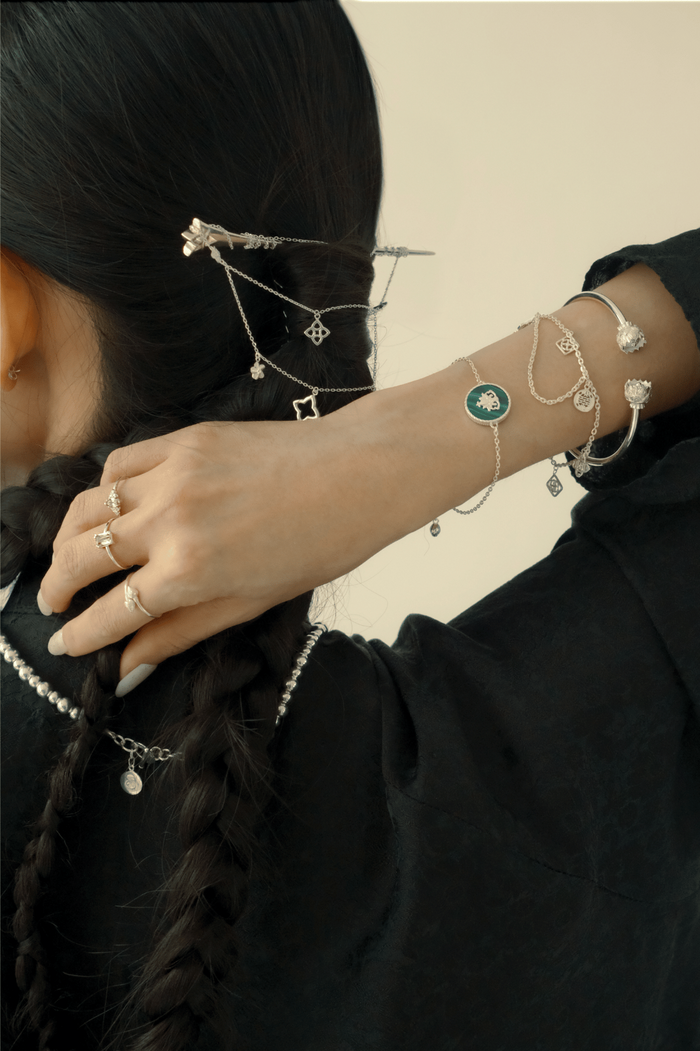
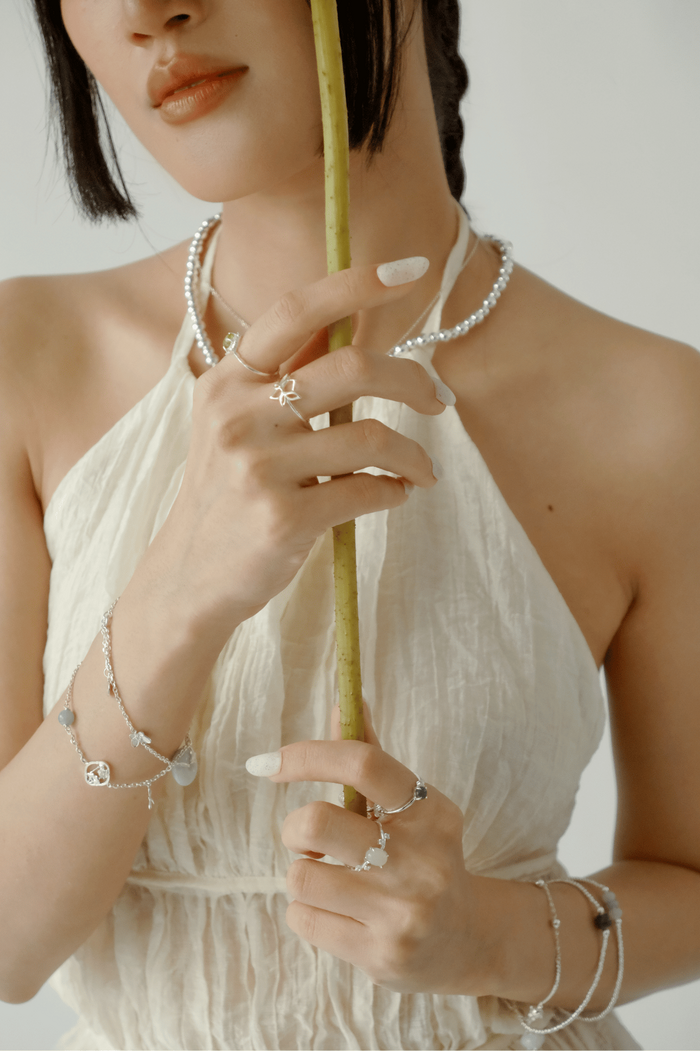
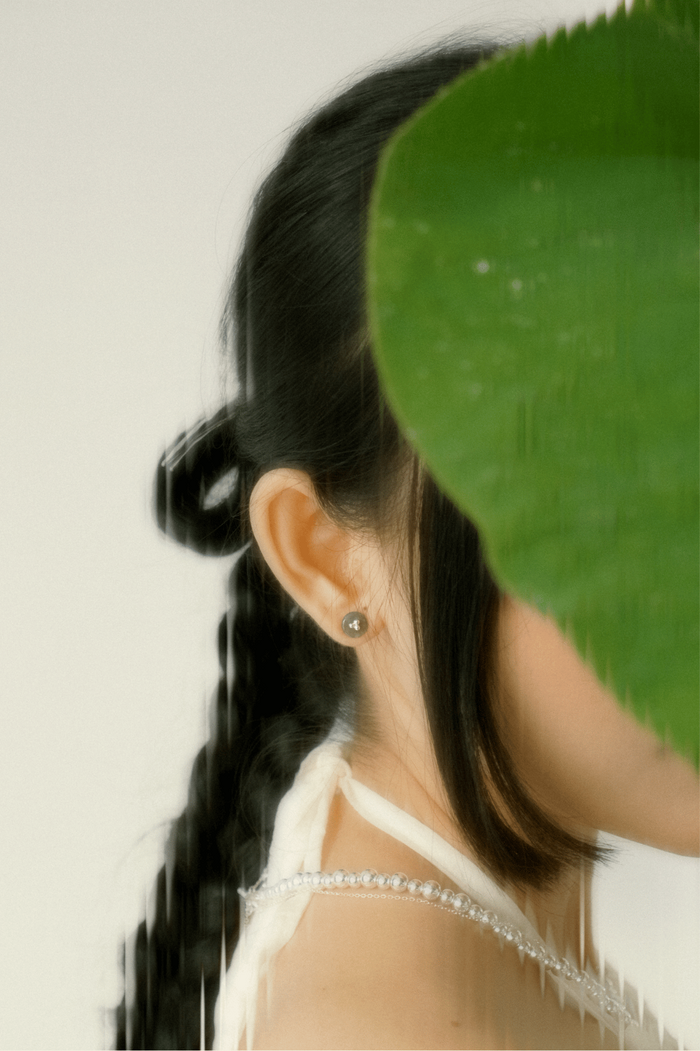
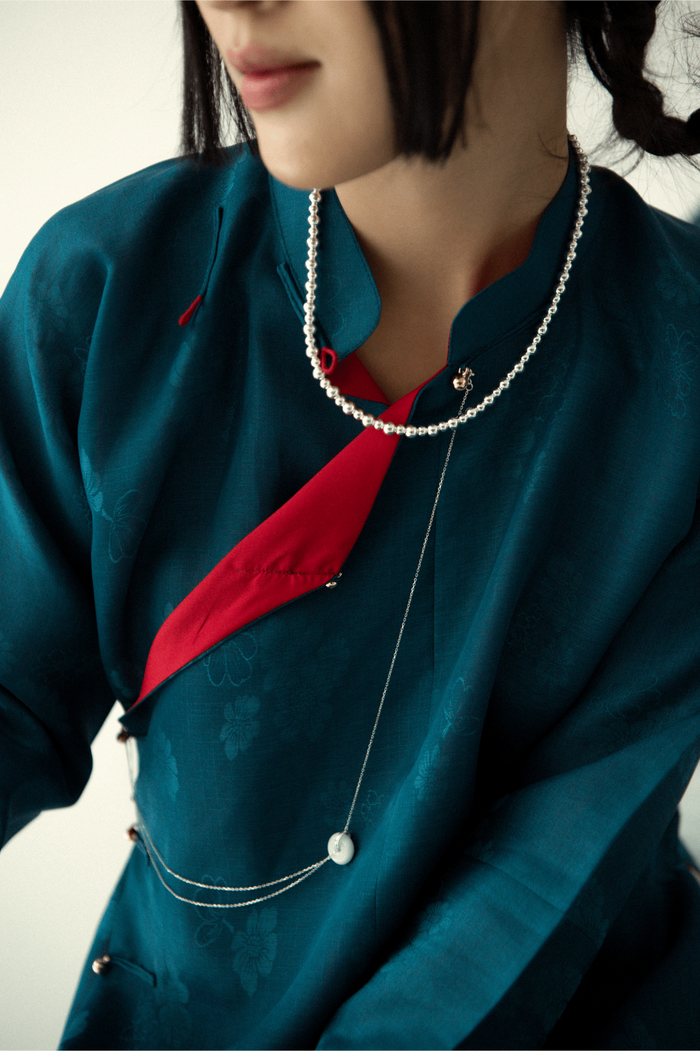
Jade is the collective name for two natural minerals: Jadeite and Nephrite. Although they may appear similar at first glance, Jadeite is generally rarer, with brighter and more translucent colors, making it more valuable. Nephrite, on the other hand, is more common and is admired for its softer tones and classic, understated beauty.
What makes Jade truly special is not its sparkle, but its smooth texture, remarkable toughness, and depth of beauty. Its gentle yet refined appearance has made Jade one of the most cherished gemstones throughout East Asian culture for thousands of years.

Beyond its elegant and sophisticated appearance, Jade is also valued for its spiritual meaning and calming energy. For centuries, people have believed that Jade symbolizes peace, good fortune, and positive energy. This is why many choose to wear Jade bracelets, necklaces, or rings — not only as jewelry, but also as meaningful pieces that bring balance and serenity into everyday life.
In addition to its spiritual significance, Jade is highly durable and suitable for daily wear. Over time, the stone naturally develops a richer and smoother glow through contact with the skin and body warmth, creating a unique beauty that few other gemstones can replicate.
There is an old saying: “You care for Jade for three years, and Jade cares for you for a lifetime.” Wearing and caring for Jade each day is believed to create a lasting bond between the person and the stone, where peaceful energy, emotional comfort, and a sense of protection gradually become part of one’s life.
Whether it is the luxurious beauty of Jadeite or the traditional charm of Nephrite, every piece of Jade carries a quiet elegance and timeless depth. It is never overly extravagant, yet always meaningful enough to remain treasured across generations.
.jpg)

.png)


.png)




.png)